
Finding the right laptop for software development is harder than it should be. Every brand claims their machine runs fast, stays cool, and handles heavy workloads. But most of those claims are just marketing. The real differences only show up when you open twenty browser tabs, run a local server, and try to compile code all at once.
Many buyers focus too much on the processor and forget about the things they actually touch all day. A bad keyboard will ruin your workflow faster than a slow chip. A dim screen will hurt your eyes during long coding sessions. And a small hard drive will fill up fast when you start saving large project files and virtual machines.
We went through the top options and read hundreds of real user reviews to find out which laptops actually hold up. We looked for machines that stay cool under pressure, offer enough memory for heavy multitasking, and provide screens that give you enough room to work.
Quick Comparison
| # | Product | Rating | Reviews | Best For | Action |
|---|---|---|---|---|---|
| #1 | Dell 16 Touchscreen | 3.8 | 8 | Students | View on Amazon |
| #2 | HP 15.6 Touchscreen | 4.7 | 5 | Multitasking | View on Amazon |
| #3 | Asus Tuf A16 | 3.1 | 3 | Game Devs | View on Amazon |
| #4 | NIMO 17.3 Laptop | 4.6 | 27 | Large Screen | View on Amazon |
| #5 | Apple MacBook Pro M4 | 4.8 | 749 | Best Overall | View on Amazon |
| #6 | HP 17.3 Laptop | 4.1 | 19 | Memory Capacity | View on Amazon |
| #7 | Auusda 15.6 Laptop | 4.5 | 37 | Lightweight Pick | View on Amazon |
| #8 | Dell Pro 16 | 5 | 1 | Security | View on Amazon |
| #9 | Dell Pro 16 Touch | N/A | N/A | Touchscreen | View on Amazon |
| #10 | Lenovo V15 | 4.4 | 316 | Value Pick | View on Amazon |
#1 Best for Students — Dell 16 Touchscreen

This laptop suits college students and office workers who need a large screen. It packs an Intel Core 7 processor and 32GB of memory. This combination handles heavy multitasking easily. You get a massive 1TB drive to store years of projects and files.
The 16-inch screen is what matters most here. It uses a 16:10 shape, which gives you more vertical space than a standard screen. This extra height lets you see more lines of code or read longer documents without scrolling constantly.
Most buyers agree that the screen looks great and offers plenty of space. People like the built-in AI key for quick tasks. However, a few users mention the laptop runs a bit slow under very heavy loads. One buyer also reported the Wi-Fi card stopped working after two months.
This machine works best when you set it up on a desk for long study sessions. The large screen makes it easy to split your view between a textbook and a code editor.
Honestly, the tall screen makes a huge difference for daily work. I would recommend this to anyone who hates feeling cramped on a small laptop. I would not pick this if you need to run heavy 3D games, as the basic graphics card will struggle.
✅ Pros
- Gives you extra vertical screen space
- Starts up in seconds
- Stores massive amounts of data easily
❌ Cons
- Wi-Fi connection may drop over time
- Comes with extra programs you do not need
💬 What Customers Say
Buyers appreciate the large screen and find the touch feature helpful once they get used to it. Many users like how fast the laptop boots up. A common complaint is that the battery drains quickly during heavy use, and some people find the pre-installed software annoying.
#2 Best for Multitasking — HP 15.6 Touchscreen
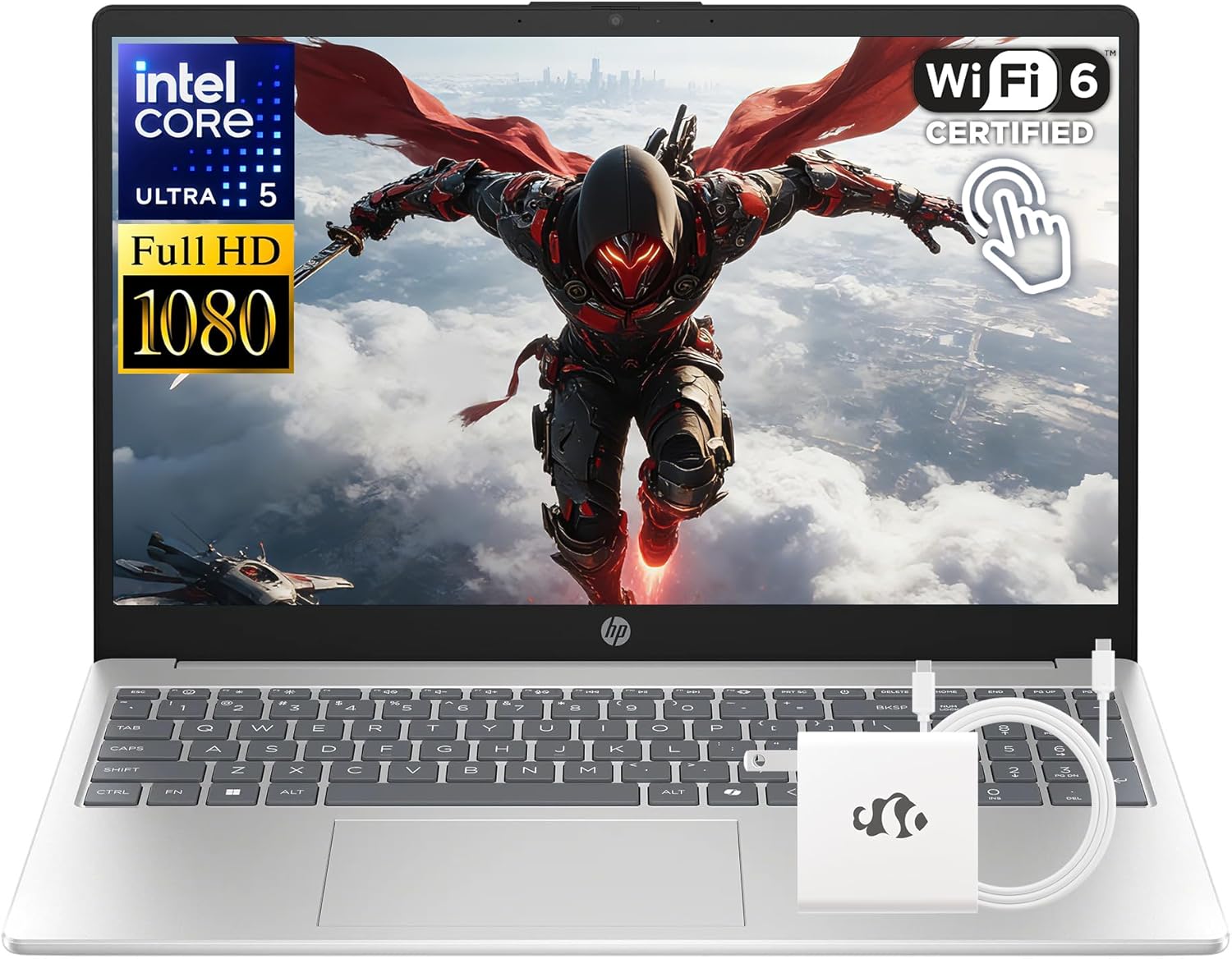
This HP laptop targets business users and developers who keep many programs open at once. It features a 14-core Intel processor and 24GB of memory. The 15.6-inch screen responds to touch, making it easy to tap through presentations or web pages.
The 24GB of memory makes the biggest difference in daily use. Most laptops come with 8GB or 16GB. The extra memory here means you can run a local server, keep thirty browser tabs open, and run a heavy code editor without the system slowing down.
Buyers who switched to this say it sets up fast and feels surprisingly light. People love the thin design for travel. However, a few users note that the battery drains faster than they hoped. One person also mentioned the start-up time feels a bit slow compared to older laptops.
This laptop shines when you work from a coffee shop or airport. The thin design fits easily into any backpack, and the Wi-Fi 6 card connects quickly to busy public networks.
I really like the amount of memory HP included here. It gives you plenty of breathing room for heavy development work. I would skip this if you work away from a wall plug all day, as the battery might not make it to the evening.
✅ Pros
- Keeps many heavy programs running smoothly
- Fits easily into small travel bags
- Connects quickly to modern wireless networks
❌ Cons
- Battery drains fast during heavy workloads
- Takes a moment to fully boot up
💬 What Customers Say
Most buyers agree that the laptop feels light and sets up without trouble. People appreciate the large storage drive. A few users mention that the battery life falls short of expectations, and one noted the layout takes time to learn.
#3 Best for Game Devs — Asus Tuf A16

This Asus machine targets game developers and digital artists. It runs on a fast AMD Ryzen 7 processor and includes a dedicated graphics card. With 64GB of memory and a massive 2TB drive, it handles large game engines and video files easily.
The dedicated AMD Radeon graphics card is the main draw. While most laptops struggle to render 3D scenes, this card pushes graphics smoothly to the fast 165Hz screen. This means your animations look clean and your games run without stuttering.
Gamers who use this daily report that it runs heavy tasks smoothly. Buyers love how easy it is to open the case and upgrade parts. A few users note that the laptop runs hot and sometimes needs fresh thermal paste to stay cool. Linux users also mention the graphics card lacks full support right now.
This laptop works best when you need to test a 3D game you just built. The fast screen shows every frame clearly, helping you spot visual bugs instantly.
Honestly, the sheer amount of memory and storage makes this a beast for heavy creative work. I would recommend this to anyone building games in Unity or Unreal Engine. I would look elsewhere if you only write basic scripts, as this machine is overkill for simple text editing.
✅ Pros
- Renders 3D graphics smoothly
- Holds massive video and game files
- Opens easily for future repairs
❌ Cons
- Runs hot during long coding sessions
- Lacks strong support for Linux systems
💬 What Customers Say
Buyers love the overall speed and the bright backlit keyboard. Many users praise how easy the laptop is to upgrade and maintain. The main complaint comes from Linux users who struggle to get the graphics drivers working properly.
#4 Best Large Screen — NIMO 17.3 Laptop

This NIMO laptop serves professionals and students who want a massive workspace. It features a 17.3-inch screen and a fast AMD processor. The laptop also includes a dual-fan cooling system to keep things running smoothly during heavy work.
The huge 17.3-inch display changes how you work. You can put your code editor on one half of the screen and your live preview on the other half. You do not need to constantly switch windows or plug in an external monitor to get things done.
Across many reviews, the thing people mention most is how well the large screen works for complex tasks like astronomy data. Buyers like that the laptop stays cool. However, several users complain about the small 256GB storage drive, and others note the battery dies quickly.
This machine works best as a desktop replacement. You can leave it on your home office desk, plug it into the wall, and enjoy the massive screen without worrying about the short battery life.
I like the huge screen, but the storage drive is far too small for modern development. By the time you install Windows and a few heavy coding tools, the drive is nearly full. I only recommend this if you plan to save most of your work in the cloud.
✅ Pros
- Gives you massive room for multiple windows
- Stays cool during heavy workloads
- Logs you in quickly with a finger touch
❌ Cons
- Fills up with files very quickly
- Requires a wall plug for long work days
💬 What Customers Say
Most buyers agree that the large screen makes detailed work much easier. People appreciate the fast charging speed and the quiet fans. A complaint that comes up often is the very small storage space and the short battery life.
#5 Best Overall — Apple MacBook Pro M4

This Apple laptop suits serious software engineers and creative professionals. It runs on the new M4 Pro chip and features 24GB of memory. The 14.2-inch screen uses advanced technology to deliver incredibly bright and sharp images.
The M4 Pro chip delivers extreme speed without draining the battery. Most fast laptops die after three hours away from a plug. This machine can compile heavy code all day long and still have battery left when you go home.
Across hundreds of reviews, the thing people mention most is the incredible battery life. Buyers love how fast apps open and how sturdy the metal body feels. The keyboard and trackpad get constant praise. Almost no negative patterns exist, though a few note the laptop feels heavy for its size.
This laptop shines on long flights or during full-day coding conferences. You can leave your charger at home and trust the machine to keep working until the event ends.
Honestly, this is the most reliable machine on the list. The trackpad alone makes it worth considering, as no other brand matches how smooth it feels. I highly suggest this for anyone who builds apps for iOS, as you need a Mac to run Xcode anyway.
✅ Pros
- Runs all day without needing a charger
- Compiles heavy code in seconds
- Shows text and images with perfect clarity
❌ Cons
- Feels heavy to carry in a small bag
- Storage space fills up fast with large projects
💬 What Customers Say
Most buyers agree that the battery life beats everything else they have tried. People love the bright screen and the comfortable keyboard. Users consistently report that the machine never slows down, even with dozens of heavy apps running.
#6 Best Memory Capacity — HP 17.3 Laptop

This large HP laptop targets heavy multitaskers and data analysts. It features an Intel Core 7 processor and a massive 64GB of memory. It also includes a giant 2TB storage drive and a 17.3-inch screen.
The 64GB of memory is the standout feature here. This amount of memory lets you run multiple virtual machines at the same time without the system freezing. You can test complex network setups locally without relying on remote servers.
Buyers who switched to this say it runs very fast and feels surprisingly light for a 17-inch machine. People like the crisp screen and the quiet fans. However, one user reported constant blue screen crashes right after turning it on, and another complained about very slow Windows updates.
This laptop works best when you need to process massive datasets. You can load huge database files directly into memory, which speeds up your testing and analysis significantly.
I think the sheer amount of storage and memory makes this a great workstation. You will likely never run out of space for your projects. I would be careful if you travel a lot, as a 17-inch laptop struggles to fit on small airplane tray tables.
✅ Pros
- Holds massive database files easily
- Runs multiple virtual machines without lag
- Feels light enough to carry around
❌ Cons
- Takes up too much space on small desks
- May crash during heavy system updates
💬 What Customers Say
Most buyers agree that the laptop runs smoothly and handles heavy tasks well. People appreciate the backlit keyboard and the large screen. A few users experienced frustrating system crashes and slow update times out of the box.
#7 Best Lightweight Pick — Auusda 15.6 Laptop

This Auusda laptop serves remote workers and students who need a basic machine. It features an Intel processor, 32GB of memory, and a 1TB storage drive. The laptop weighs just 3.7 pounds and includes a backlit keyboard.
The low weight makes the biggest difference for daily use. Carrying a heavy laptop hurts your back over time. This machine slips easily into a bag and feels light on your shoulder, making your daily commute much more comfortable.
Buyers say the laptop boots up fast and handles basic web tasks well. People like the keyboard lighting. However, a major complaint comes up often: the processor is slower than the company claims. Users also report the battery only lasts about three hours.
This laptop works best for writing simple scripts or managing remote servers. If your main job is logging into a cloud terminal to fix code, this machine does the job without weighing you down.
I would not pick this for heavy local development. The processor struggles with big tasks, and the false advertising about the chip model makes me pause. However, if you just need a light machine to type on and browse the web, it works fine.
✅ Pros
- Carries easily in a small backpack
- Lights up the keys for night typing
- Stores plenty of documents and photos
❌ Cons
- Dies quickly away from a wall plug
- Runs slower than the brand claims
💬 What Customers Say
Buyers appreciate how light the machine feels and how quickly it boots up. Many users like the bright screen and the keyboard. The biggest complaints focus on the short battery life and the processor being a slower model than advertised.
#8 Best for Security — Dell Pro 16

This Dell Pro 16 targets business leaders and developers who handle sensitive data. It uses an Intel Ultra 5 processor and 16GB of memory. The 16-inch screen includes an anti-glare coating to protect your eyes.
The enterprise-grade security tools stand out on this machine. It includes a fingerprint reader and facial recognition camera. This means you can lock down your client data tightly, ensuring nobody accesses your code if you leave your desk.
Real buyer feedback is very limited for this specific model. The single review simply calls it an excellent choice. Without more data, it is hard to know how the laptop holds up after months of heavy daily use.
This laptop shines in a busy corporate office. You can quickly log in with your face as you sit down, and the screen blocks overhead office lights so you can read code clearly.
Honestly, the security features make this a smart pick for freelance developers handling strict client contracts. I would hesitate to buy this if you run heavy local databases, as 16GB of memory fills up quickly during complex tasks.
✅ Pros
- Logs you in instantly with your face
- Blocks annoying glare from overhead lights
- Connects securely to fast wireless networks
❌ Cons
- Lacks enough memory for heavy virtual machines
- Camera resolution is only basic HD
#9 Best Touchscreen — Dell Pro 16 Touch

This upgraded Dell Pro 16 serves senior developers who need maximum power. It features a fast Intel Ultra 7 processor and a massive 64GB of memory. The 16-inch screen responds to touch and includes a privacy shutter for the camera.
The responsive touchscreen changes how you interact with your work. Instead of using a mouse to scroll through thousands of lines of code, you can just swipe the screen. It also makes zooming in on complex architecture diagrams much faster.
This laptop works best when you present your work to a team. You can stand the laptop on a table and tap the screen to move through slides or highlight specific parts of your code during a meeting.
I really like the massive memory upgrade on this model. With 64GB, you never have to close background apps to make room for a compiler. I would not pick this if you travel constantly, as the 16-inch size takes up a lot of room in a bag.
✅ Pros
- Responds instantly to finger swipes
- Keeps dozens of heavy apps running smoothly
- Blocks the camera physically for total privacy
❌ Cons
- Takes up significant space on a desk
- Drains the battery faster due to the touch screen
#10 Best Value — Lenovo V15

This Lenovo laptop targets budget-conscious students and developers. It runs on an AMD Ryzen 5 processor and includes 16GB of memory. It also features a full numeric keypad and a wide variety of connection ports.
The wide selection of ports makes a huge difference. You get standard USB ports, a newer USB-C port, an HDMI port, and a real Ethernet jack. This means you can plug straight into a server rack or older monitor without needing a bag full of adapters.
Most buyers agree that the laptop runs fast and stays cool under pressure. People love how quickly it boots up. However, many users complain about the screen. Reviewers say the colors look washed out, and the screen is hard to read if you look at it from an angle. Users also note the keyboard lacks a backlight.
This machine works best in a server room or a home office. You can plug an Ethernet cable directly into the side to get the fastest possible internet connection while downloading large code libraries.
I think this is a great practical choice for pure coding. Text does not need perfect color accuracy. I would absolutely avoid this if you also edit photos or videos, because the screen simply cannot show colors correctly.
✅ Pros
- Connects directly to wired internet networks
- Stays cool during long coding sessions
- Starts up and loads files quickly
❌ Cons
- Shows dull and washed out colors
- Lacks lighting behind the keyboard keys
💬 What Customers Say
Buyers consistently praise the laptop for its speed and reliability over time. Many users like that it stays cool on their lap. The most common complaint is that the screen looks dull and makes it hard to do any kind of photo or video work.
Frequently Asked Questions
Do I need a dedicated graphics card for coding?
Is Mac or Windows better for software development?
Why do developers need so much memory?
Does a higher processor speed always mean a faster laptop?
Conclusion
If you want the best overall experience, the Apple MacBook Pro M4 stands out. The battery lasts incredibly long, the screen looks perfect, and it handles heavy code without breaking a sweat. It is the most reliable machine on the list.
If you prefer Windows and want a practical machine, the Lenovo V15 is a great alternative. It gives you plenty of ports and fast performance for a fair deal. Just keep in mind that the screen colors are not great for design work.