
Finding the right DJ headphones is harder than it should be. Every brand claims their pair offers the deepest bass, the toughest build, and the clearest sound. But most of those claims are just marketing. The real differences only show up when you take them into a loud club and try to mix a track.
Many beginners make the mistake of using standard studio headphones for live gigs. Those might sound great in a quiet room, but they fail when you need to hear a kick drum over a roaring crowd. You need gear built specifically for the booth.
We went through the top options and read thousands of real buyer reviews to find out the truth. We looked at which ones actually block out background noise, which ones survive heavy travel, and which ones stay comfortable during a four-hour set.
Quick Comparison
| # | Product | Rating | Reviews | Best For | Action |
|---|---|---|---|---|---|
| #1 | Pioneer HDJ-CUE1 | 4.6 | 2,124 | Beginners | View on Amazon |
| #2 | Sennheiser HD 25 | 4.6 | 3,271 | Lightweight Wear | View on Amazon |
| #3 | Pioneer HDJ-X5 | 4.5 | 1,281 | Heavy Use | View on Amazon |
| #4 | AIAIAI TMA-2 DJ | 4.3 | 834 | Modular Repair | View on Amazon |
#1 Best for Beginners — Pioneer HDJ-CUE1

Pioneer built these on-ear headphones for people just starting their DJ journey. They take the core design of professional models and strip away the complicated extras.
The dynamic driver system stands out here. It pushes a very loud, punchy bass. This matters because when you mix tracks, you need to hear the kick drum clearly to match beats. The high volume output means you rarely need to turn your mixer all the way up.
Real buyers praise how loud and clear these sound right out of the box. Many users note the metal sliders feel very strong. However, many users complain about the on-ear design. Some people find that the ear pads start to press hard and hurt their ears after a few hours of use.
These shine when you practice at home or play short sets at small parties. The folding design and locking cable make them very easy to pack up and take to a friend’s house.
Honestly, the high volume output makes the biggest impression. Many entry-level headphones struggle to get loud enough, but these deliver. I suggest them to anyone learning to beatmatch. I would look elsewhere if you play very long sets and have sensitive ears.
Compared to the Sennheiser HD 25, these feel a bit heavier on the head, but they fold up much smaller for travel.
✅ Pros
- Pushes very loud volume for beatmatching
- Folds up small for easy travel
- Ear cups turn 90 degrees for one-ear mixing
- Cable locks firmly into place
❌ Cons
- On-ear pads can hurt your ears during long sessions
- Mid and high sounds lack fine detail
💬 What Customers Say
Most buyers agree that these headphones deliver massive volume and a very strong bass response. Beginners love how easy it is to hear the beat. Many people praise the tough metal parts and overall build. The main complaint that comes up often is comfort. Because they sit directly on the ear, several users report ear pain after wearing them for long periods.
#2 Best Lightweight Pick — Sennheiser HD 25

Mobile DJs and touring professionals favor these closed-back headphones. They focus entirely on function over flashy looks.
The extremely low weight makes the biggest difference. They weigh only four ounces. This means you can wear them all night without feeling any heavy pressure on the top of your head or your neck.
Buyers constantly mention how light and comfortable they feel, even during long gigs. Reviewers also love that every single part comes apart and replaces easily. On the downside, some users feel the bass response lacks power compared to larger, over-ear models.
These work best for mobile DJs playing long wedding sets or all-night club events. The split headband keeps them secure on your head while you move around the booth.
Honestly, the repairability makes these special. If you break a cable or wear out a pad, you just swap that specific part. That saves you from throwing the whole unit away. These make a smart pick for working DJs. I would skip them if you demand massive, shaking bass in your ears.
Compared to the Pioneer HDJ-X5, these sit much lighter on the head and rest on the ear rather than around it.
✅ Pros
- Extremely light on the head for long sets
- Every single part easily unscrews and replaces
- Handles very loud club systems without distortion
- Split headband keeps them from slipping
❌ Cons
- The included cable hangs very long and can get in the way
- Bass response feels lighter than larger models
💬 What Customers Say
Across thousands of reviews, the thing people mention most is the incredibly low weight. Buyers love that they can wear these for hours without neck strain. Many users also praise the clear, detailed sound that cuts through loud club noise. The most common complaint is the bass. A few users wish the low end had more punch for mixing heavy dance tracks.
#3 Best for Heavy Use — Pioneer HDJ-X5

Pioneer designed these over-ear headphones for DJs who travel often and treat their gear roughly. They feature a thick, rugged design meant to survive the road.
The extreme durability draws the most attention. Pioneer put these through military standard shock tests. This means they handle drops, bumps, and getting tossed into backpacks without snapping.
Customers love how loud these get, making it simple to hear the floor mix in a noisy club. Buyers also appreciate the swivel mechanism that lets them mix with one ear. A frequent complaint targets the included carrying pouch, which users say feels too thin to offer real protection.
These shine in chaotic environments. If you play in cramped DJ booths where gear gets knocked around, these hold up to the abuse.
Honestly, the tough build gives exactly what most traveling DJs need. You do not want to worry about fragile plastic joints breaking mid-tour. I suggest these for anyone who plays live shows regularly. I might look for something else if you just want headphones for casual home listening.
Compared to the AIAIAI TMA-2, these feature a more traditional folding design, though they lack the fully modular parts.
✅ Pros
- Survives hard drops and heavy travel
- Plays loud enough to hear over club speakers
- Ear cups swivel easily for quick monitoring
- Thick housing reduces pressure on your head
❌ Cons
- The included travel pouch feels very thin
- The fit feels a bit tight on larger heads
💬 What Customers Say
Gamers and DJs who use this daily report that the sound gets incredibly loud, which helps them focus in noisy rooms. Buyers frequently praise the solid construction and the smooth swivel joints. The bass gets high marks for being punchy but not muddy. The only regular complaint targets the storage bag, which many feel is too flimsy for such tough headphones.
#4 Best Modular Design — AIAIAI TMA-2 DJ
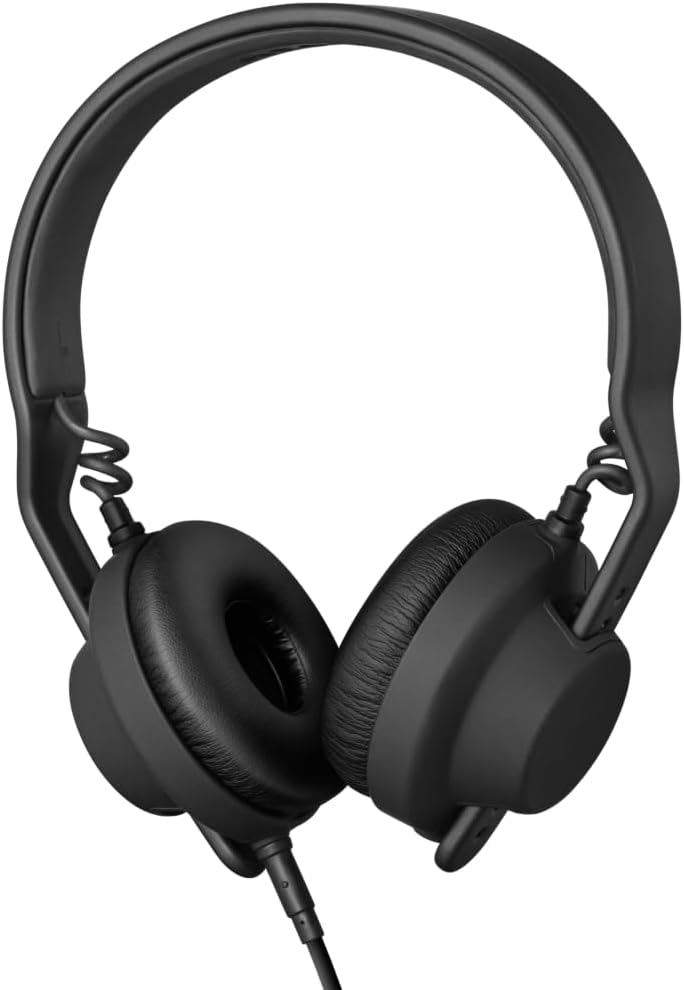
AIAIAI gives you a completely modular system here. The headphones arrive in pieces, and you snap the speakers, headband, and cables together yourself.
The modular design provides the biggest advantage. If a speaker blows out or the headband snaps, you simply order that exact part. You never have to throw away a working set of speakers just because a cable broke.
Buyers love the punchy bass and the heavy sound isolation that blocks out room noise. Many praise how easy it is to swap parts. However, some users report issues with the audio balance, noting that the side with the cable sometimes plays slightly louder than the other.
This design works best for touring DJs who want to customize their gear. You can swap out the ear pads for different materials depending on the venue.
Honestly, I love the push for sustainability here. Using recycled plastics and letting users fix their own gear pushes the industry in the right direction. I suggest these for people who hate electronic waste. I would caution anyone who wants a simple, ready-to-play set right out of the box.
Compared to the Pioneer HDJ-CUE1, these block out much more background noise, though they do not fold up as small.
✅ Pros
- Every part unplugs and replaces easily
- Memory foam pads block out heavy background noise
- Bio-cellulose drivers push very strong bass
- Made using recycled plastic materials
❌ Cons
- Sound balance can sometimes lean toward the cabled side
- The ear pad material wears down with heavy sweating
💬 What Customers Say
DJs who switched to this say the sound isolation works fantastic for noisy environments. Buyers love the punchy low end and the fact that they can rebuild the headphones if a part breaks. While most reviews share high praise, a few users mention getting defective parts early on. Others note that the faux leather ear pads wear out and need replacing after a year.
Frequently Asked Questions
Can I use regular studio headphones for DJing?
What is the difference between on-ear and over-ear?
Why do DJ headphones need a swivel joint?
Do I need a coiled cable or a straight cable?
Conclusion
Choosing the right gear makes a massive difference in how easily you can mix a set. The Pioneer HDJ-X5 stands out as the best overall choice because it balances loud sound output with a rugged build that survives heavy travel.
If you prefer something much lighter on your head, the Sennheiser HD 25 offers a fantastic alternative. It provides incredible repairability and keeps your neck from hurting during those long, all-night gigs. Pick the one that fits your mixing style, and focus on the music.