
Finding the right dynamic microphone is harder than it should be. Every brand claims its mic sounds the clearest and blocks the most noise. But most of those claims are just marketing. The real differences only show up when you plug them in and deal with loud drums, bad room echo, or heavy stage use.
We went through the top options and read thousands of real user reviews to find out what actually happens on stage. We looked for mics that survive drops, block background noise, and make voices sound natural without needing a lot of extra gear.
In this guide, you will learn which microphones work best for live singing, which ones fit a home karaoke setup, and which ones give you the most control. We break down the real pros and cons so you can pick the right tool for your voice.
Quick Comparison
| # | Product | Rating | Reviews | Best For | Action |
|---|---|---|---|---|---|
| #1 | Shure SM58 | 4.7 | 14,088 | Best Overall | View on Amazon |
| #2 | Pyle PDMIC58 | 4.4 | 8,573 | Budget Pick | View on Amazon |
| #3 | Lewitt MTP 5 | N/A | N/A | Stage Noise | View on Amazon |
| #4 | Shure SM58S | 4.7 | 4,003 | Switch Control | View on Amazon |
| #5 | Sennheiser XS 1 | 4.7 | 738 | Entry Level | View on Amazon |
| #6 | Sennheiser E 835-S | 4.8 | 1,251 | Crisp Vocals | View on Amazon |
| #7 | Pyle PDMIC59 | 4.4 | 3,929 | Home Karaoke | View on Amazon |
#1 Best Overall — Shure SM58

This microphone is for singers, speakers, and podcasters who need a tool they can trust anywhere. It handles both quiet studio sessions and loud club stages easily.
The uniform cardioid pattern makes the biggest difference here. It focuses entirely on the sound right in front of it. It ignores the drums, the crowd, and the room echo behind it, so your voice stays clear.
Buyers constantly talk about how tough this mic is. Many people say they have owned the same one for over 15 years and it still works perfectly. A few users note that you might not get a mic clip or cable depending on the seller you choose.
This mic shines best at live gigs in loud rooms where you need your vocals to cut through the noise without feeding back into the speakers.
Honestly, the durability stands out most. You can drop it, toss it in a bag, and it just keeps working show after show. It sets the standard for live vocals. I would recommend this to anyone who needs a reliable workhorse.
✅ Pros
- Blocks background noise easily
- Survives heavy drops and rough use
- Makes vocals sound warm and clear
- Built-in pop filter stops breath sounds
❌ Cons
- Can sound a bit quiet for soft speakers
- Does not always include a mic clip
💬 What Customers Say
Most buyers agree that this mic lasts forever. People love how it handles loud environments without causing feedback. Singers praise the warm tone it gives their voice. A few users warn others to buy directly from the maker to avoid missing parts in the box.
#2 Best Budget Pick — Pyle PDMIC58

This is a simple, affordable option for people who need a mic for practice, school events, or casual singing at home.
The best thing about this package is that it includes a 15-foot cable. You can plug it directly into a basic amp or karaoke machine and start singing right away without buying extra gear.
People love the value. Many buyers use it for karaoke nights or school programs and say it sounds great. Sound professionals point out that the internal wires use an unbalanced setup, which can cause humming noises if you plug it into a massive professional soundboard.
It works best when you plug it directly into a basic speaker or karaoke machine for a weekend party.
I would not pick this for a professional recording studio. But for a cheap practice mic that you do not have to worry about breaking, it does exactly what you need it to do. It offers great value for casual users.
✅ Pros
- Includes a 15-foot cable in the box
- Metal body holds up to basic wear
- Gets loud before causing feedback
❌ Cons
- Internal wires use an unbalanced setup
- Metal grille dents easily if dropped
💬 What Customers Say
Buyers love how easy it is to plug in and use right away. Many say it sounds surprisingly good for casual singing and speaking. Sound engineers point out that you need to rewire the inside if you want to use it on a large professional sound system.
#3 Best for Stage Noise — Lewitt MTP 5
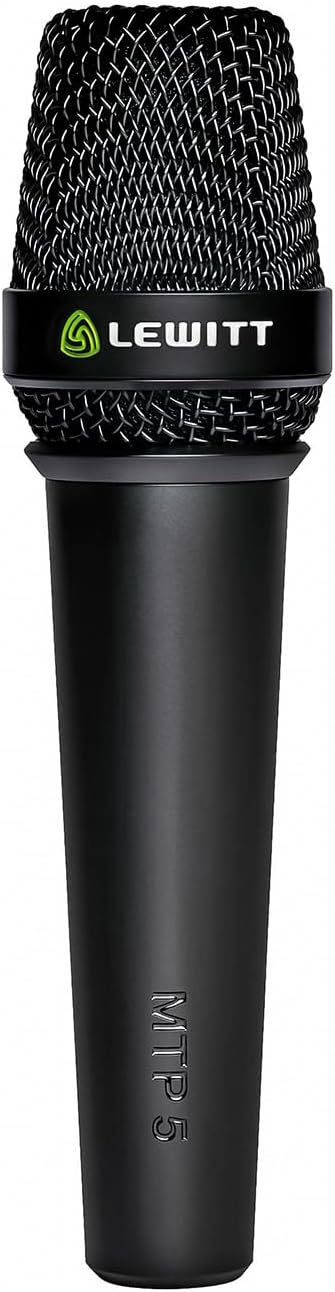
This microphone targets lead singers who perform on loud stages with heavy drums and amplified guitars.
The rubber-suspended capsule solves a major problem for performers. It stops the mic from picking up loud thumps and bumps when you move your hands around the metal body during a show.
This mic works best when you sing right in front of loud monitor speakers. The design naturally rejects high-frequency noise from the sides, keeping your vocal feed clean.
The washable windscreen is a very smart touch. If you share mics at a venue, being able to clean the inside easily makes a big difference. I recommend this to gigging musicians who struggle with stage noise bleeding into their vocals.
✅ Pros
- Rubber suspension stops handling noise
- Washable windscreen keeps the mic clean
- Metal ring protects the capsule from cupping
❌ Cons
- The heavy metal body can tire your hand during a long show
#4 Best with Switch — Shure SM58S
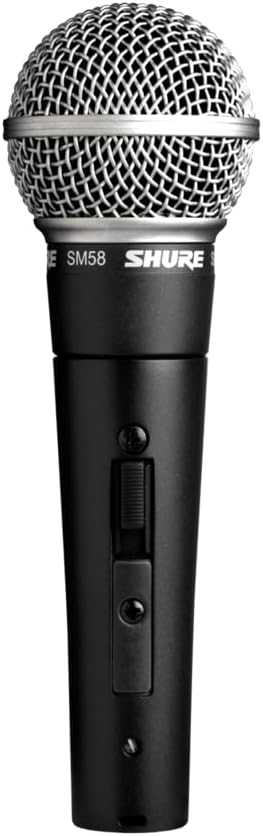
This model fits performers and speakers who want a classic vocal sound but need the ability to mute themselves quickly.
The built-in on/off switch gives you total control. You can turn off the mic between songs or speeches without walking back to the soundboard or signaling the sound engineer.
Buyers love having this control. Many gigging musicians say the switch never breaks, even after years of heavy use. Some users note that you have to keep your mouth very close to the mic to get the best sound out of it.
It works perfectly at a church or corporate event where you need to mute the mic while other people talk.
Having a switch gives you peace of mind. You do not have to worry about the sound guy missing your cue. The switch feels solid and stays firmly in place. I highly recommend it for event hosts and solo musicians.
Compared to the standard SM58, this one gives you the exact same sound but adds the convenience of the switch.
✅ Pros
- Switch lets you mute the mic instantly
- Thick grille stops wind and breath noises
- Focuses directly on your voice
❌ Cons
- You must stay very close to the mic to be heard clearly
💬 What Customers Say
Users repeatedly praise how tough the switch is, noting it does not fail over time. Many buyers use this as their main gigging mic because it sounds great and stops feedback instantly. A few people mention the mic feels heavy to hold for long periods.
#5 Best Entry Level — Sennheiser XS 1

This microphone is for beginners and event hosts who want German engineering without spending a lot of money.
The silent mute switch makes a huge difference. When you turn it on or off, it does not send a loud pop or click through the speakers, which keeps your events sounding professional.
People use this heavily for trivia nights and weddings. They love how clear the vocals sound right out of the box. A few buyers notice a slight thud noise if you move your hands too much on the mic body.
It shines best when you host a trivia night or speak at a wedding where you need clear, crisp speech.
For the money, this feels much more premium than it is. The metal body has real weight to it. I highly recommend it for anyone who runs small events and needs a dependable mic that sounds great.
✅ Pros
- Switch does not make a popping sound
- Heavy metal body feels high quality
- Includes a carrying pouch and mic clip
❌ Cons
- Picks up thud noises if you move your hands heavily
💬 What Customers Say
Most buyers are surprised by how heavy and well-made the mic feels. Trivia hosts and MCs love the clear sound and the silent switch. Some users warn that you need good mic technique to avoid handling noise when moving it around.
#6 Best for Crisp Vocals — Sennheiser E 835-S

This microphone fits singers who want their voice to sound bright and clear without touching an equalizer.
The gentle presence boost changes how you sound. It naturally pushes the high parts of your voice forward, so you do not sound muddy or lost over loud background music.
Singers love how crisp this mic sounds compared to older models. Many praise the switch for stopping feedback when passing the mic around at parties. A few people complained that the factory box popped open easily during shipping.
It works best when singing at a family party or a club where you pass the mic between different people.
If you have a naturally deep or muddy voice, this mic helps a lot. It adds a nice shine to the sound without sounding harsh. The internal shock mount also keeps things quiet while you hold it. It is a fantastic choice for live singing.
✅ Pros
- Makes vocals sound bright and clear naturally
- Switch helps stop feedback between singers
- Internal shock mount stops handling noise
❌ Cons
- Factory packaging box can pop open easily during shipping
💬 What Customers Say
Customers say this mic sounds incredibly crisp and often prefer it over other famous brands. Buyers love using the switch to prevent squeals during karaoke and live events. A few buyers received boxes that opened during shipping due to weak tape.
#7 Best for Home Karaoke — Pyle PDMIC59

This mic suits families and home users who want a simple setup with a switch for living room singing.
The unidirectional pickup pattern matters most here. It only hears what is right in front of it, which stops your home speakers from causing loud feedback loops while you sing.
Buyers use it mostly for home karaoke machines. They say it sounds clear and gets the job done easily. A few users reported that the plastic switch broke when they pushed the mic too hard into a tight stand.
It works best plugged directly into a home karaoke machine for a weekend party with friends.
This is a great step up from the cheap plastic toys that come with most karaoke machines. It feels like a real microphone. You just have to be gentle with the switch when putting it in a mic clip.
✅ Pros
- Comes with a 15-foot cable to plug into home speakers
- Metal body feels solid in the hand
- Rejects background noise well
❌ Cons
- The on/off switch can break if pushed hard into a tight clip
💬 What Customers Say
People agree this is a massive upgrade over basic toy karaoke mics. They love the clear sound and the long cable that lets them walk around the room. A few buyers warn others to be careful with the switch, as it can snap if handled roughly.
Frequently Asked Questions
Do dynamic microphones need phantom power?
What is the difference between a dynamic and a condenser mic?
Should I get a microphone with an on/off switch?
Why do I have to hold the mic so close to my mouth?
Conclusion
The Shure SM58 takes the top spot because it simply does not fail. It sounds great on almost any voice, blocks background noise easily, and survives drops that would destroy other microphones.
If you want a slightly brighter sound, the Sennheiser E 835-S is an excellent alternative. It helps muddy voices cut through loud music clearly. Whichever you choose, picking a good dynamic mic means you can stop worrying about the gear and focus entirely on your performance.